When you hear the word bacteria, you probably think of disease.
But here’s a question what if some bacteria are actually supposed to be there?
Our bodies are home to normal microflora, microorganisms that live with us and help maintain balance. One of them is Streptococcus pneumoniae, also known as pneumococcus. Most of the time, pneumococcus lives quietly in the nose and throat without causing any symptoms. Many healthy people carry this bacterium and never realize it.
So why does it have such a bad reputation?
The problem begins when the immune system weakens. In children, older adults, or immunocompromised individuals, this once harmless resident can suddenly become an opportunistic pathogen. In these conditions, Streptococcus pneumoniae can cause pneumonia, meningitis, sepsis, as well as ear and sinus infections This bacterium has been known to science for more than a century. It was first discovered in 1881 by Louis Pasteur and Theodor Sternberg. As researchers learned more about its structure, its name changed several times until it was officially called Streptococcus pneumoniae in 1974.
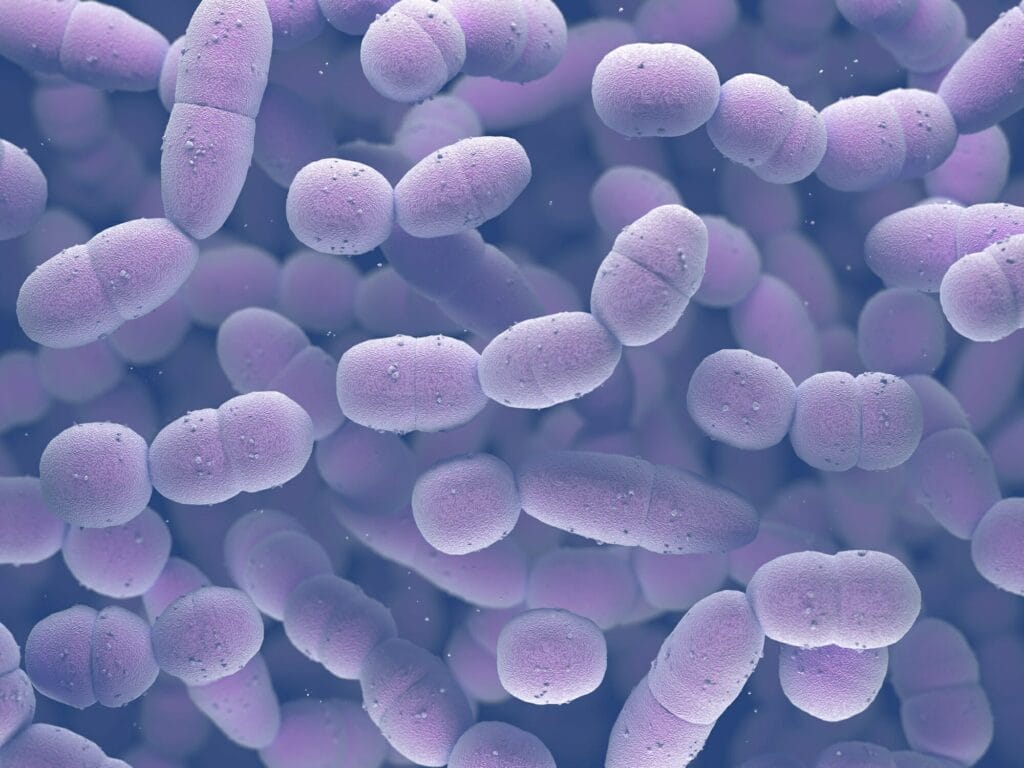
Under a microscope, pneumococcus appears as a round, Gram-positive bacterium, often found in pairs. What makes it particularly dangerous is its polysaccharide capsule. This capsule works like a shield, helping the bacteria evade the immune system and avoid being destroyed by immune cells. Because of this protection, pneumococcus can cause serious infections once it gains the upper hand.
Pneumococcus spreads through airborne droplets from coughing, sneezing, or close contact. It usually enters the body through the nasopharynx and, if not controlled by the immune system, can spread deeper into the lungs or other organs. Yet pneumococcus is not always the villain. As part of the normal microbiota, it can compete with more harmful microbes and help maintain microbial balance. In some cases, it even contributes to biofilm formation that protects the respiratory tract. This dual role shows that the same bacterium can be harmless in one situation and dangerous in another.
Because pneumococcal infections can be severe, prevention is essential. Simple habits like washing hands, covering the mouth when coughing or sneezing, and staying home when sick can reduce transmission. For high-risk individuals, vaccination provides strong protection. If infection does occur, treatment depends on severity. Antibiotics are commonly used, but severe cases such as pneumonia or meningitis may require hospitalization and supportive care.
Streptococcus pneumoniae reminds us that biology is rarely black and white. A bacterium can be both a normal part of our microflora and a dangerous pathogen depending on the immune system and the conditions it encounters.
This article is based on microbiology literature and educational references.
Check this link for my paper if you wanna read more about pneumococcus
https://drive.google.com/file/d/1dTpMs9Ul0Pv25P